
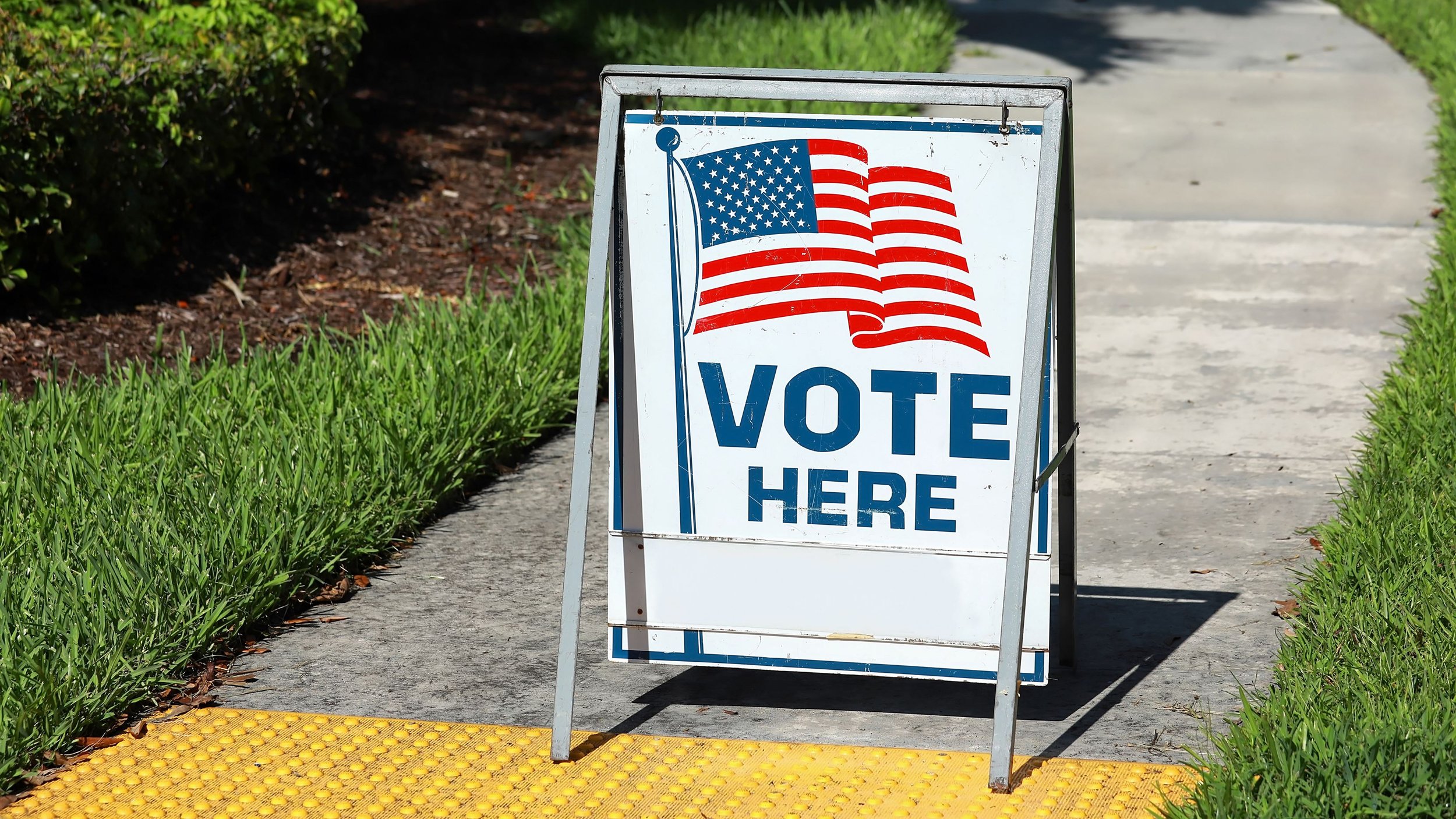
Every election season, North Carolinians are asked to choose between candidates. Campaigns talk about values, priorities, and visions for the future. Yard signs go up. Debates happen. Votes are cast.
Then government continues in places most campaigns never mention.
Much of the state’s day-to-day governing power lives in boards, commissions, and authorities that do not appear on ballots. These bodies approve rules, oversee large systems, distribute funding, and make decisions that shape how laws actually work in practice. Their members are often appointed. Their meetings are usually quiet. Their influence is steady.
This is not a conspiracy. It is how modern government functions.
Legislatures write broad laws. Governors set direction. But someone has to turn those decisions into operating reality. That work happens through regulatory boards, professional commissions, and oversight bodies that exist precisely to handle details politics is not designed to manage well.
In North Carolina, these bodies touch nearly every part of public life. Education standards. Environmental rules. Health licensing. Transportation planning. Economic development incentives. Many of the most consequential decisions happen here, long after the cameras are gone.
Because these positions are rarely elected, they attract little public attention. Few voters could name the members of a key commission, even if that commission’s decisions affect their job, their school, or their land. That invisibility creates a sense that government acts on its own, without clear lines of accountability.
Appointments matter more than most people realize. Who gets selected to serve on a board shapes how rules are interpreted and enforced. Experience, professional background, and institutional culture all influence outcomes. Over time, these patterns become durable. They survive changes in leadership and swings in electoral politics.
This layer of government can feel frustrating precisely because it is designed to be stable. It moves slowly. It values continuity. That can protect the public interest, but it can also make change feel distant and procedural.
Understanding this hidden layer does not mean distrusting it. It means recognizing where power actually operates. When citizens pay attention to appointments, rulemaking, and oversight, they gain leverage that elections alone cannot provide.
North Carolina is governed not just by the officials whose names appear on signs, but by a network of institutions that rarely draw attention to themselves. Once you learn to see that network, the state’s political life becomes clearer, less mysterious, and easier to navigate.