Statewide News and StuffArticle
Hunger crisis widens in North Carolina as food banks face more demand, federal cuts
On a steamy September morning, all of North Carolina’s agricultural bounty is on display at the State Farmers Market in Raleigh. The boxes and crates of neatly stacked fruits and vegetables stand in stark contrast to new data that reveals a worsening hunger crisis in North Carolina. According to Feeding America’s annual Map the Meal […]
Republished from NC Newsline CC BY-NC-ND 4.0
Reuse terms
NC Newsline reporting under CC BY-NC-ND 4.0. Preserve original text and links, credit the author and NC Newsline, and do not sell the story or advertising against it.
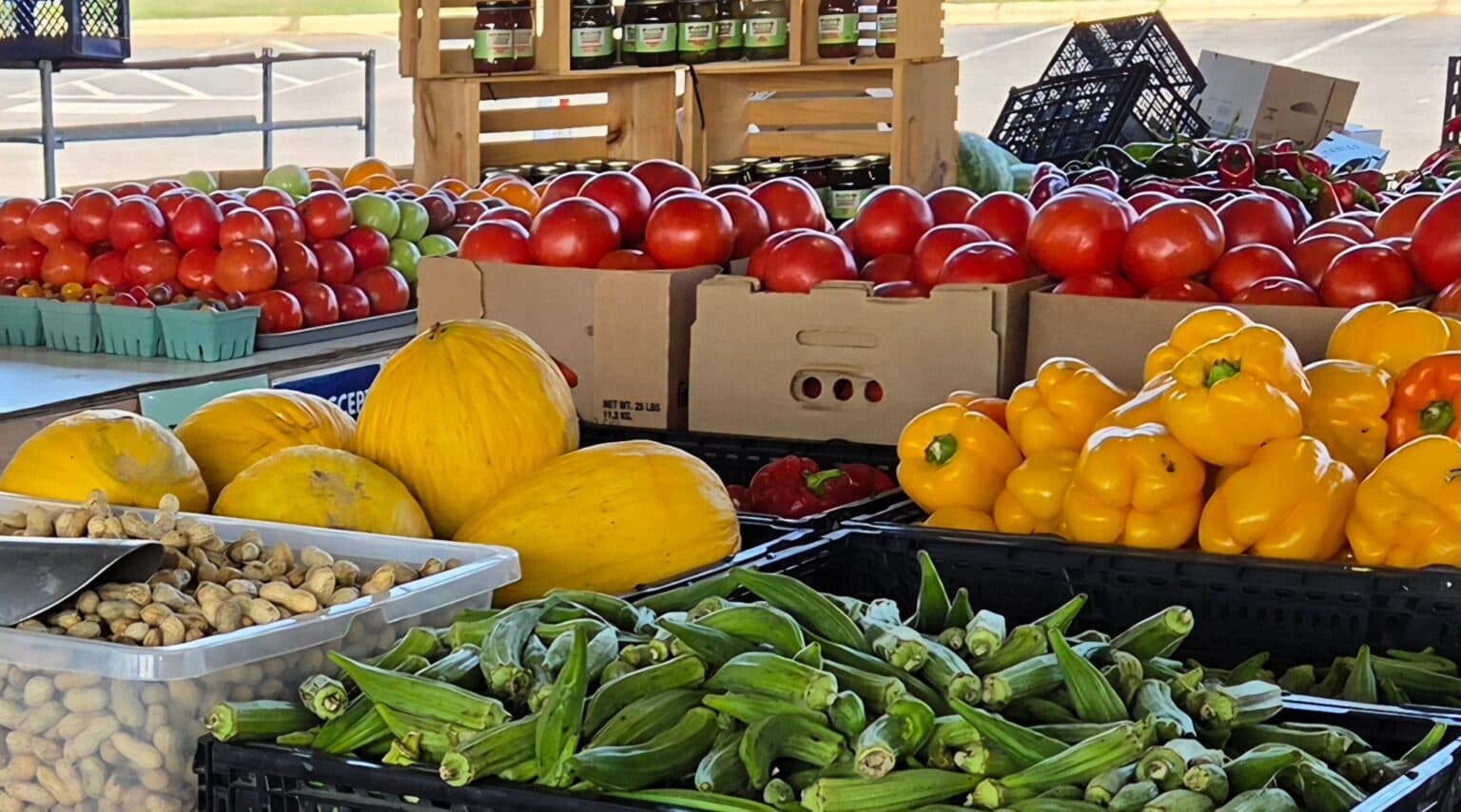
On a steamy September morning, all of North Carolina’s agricultural bounty is on display at the State Farmers Market in Raleigh. The boxes and crates of neatly stacked fruits and vegetables stand in stark contrast to new data that reveals a worsening hunger crisis in North Carolina.
According to Feeding America’s annual Map the Meal Gap analysis (opens in a new tab), 1 in 7 North Carolinians are unsure where their next meal will come from. That compares to 1 in 9 individuals in 2021.
“There are now close to 630,000 people in the 34 counties our food bank serves who are food insecure, meaning they don’t have the resources to consistently keep food on the table,” said Amy Beros, president of the Food Bank of Central and Easten North Carolina (opens in a new tab).
Beros told reporters this week that nearly 180,000 more people are facing food hardship than at the height of the COVID pandemic in 2021. She said they are calling attention to the increase during September, which is Hunger Action Month.
Farmers, community allies, and supporters have all been working to increase the supply of food at local pantries, but Beros said federal funding cuts and eligibility changes are taking their toll.
Rising food prices have also forced consumers to stretch their budgets or make do with less. According to the USDA (opens in a new tab), grocery prices have gone up 2.7% on average in the past year, with some items like ground beef (opens in a new tab) up 10% to 18%.
“Across the more than 700 local pantries, meal and food distribution sites, many partners have been reporting to us increases in visits ranging from 20% to 60%,” said Beros.
Further reading
Sources and documentation
- Hunger crisis widens in North Carolina as food banks face more demand, federal cutsNC Newsline · Accessed September 30, 2026