
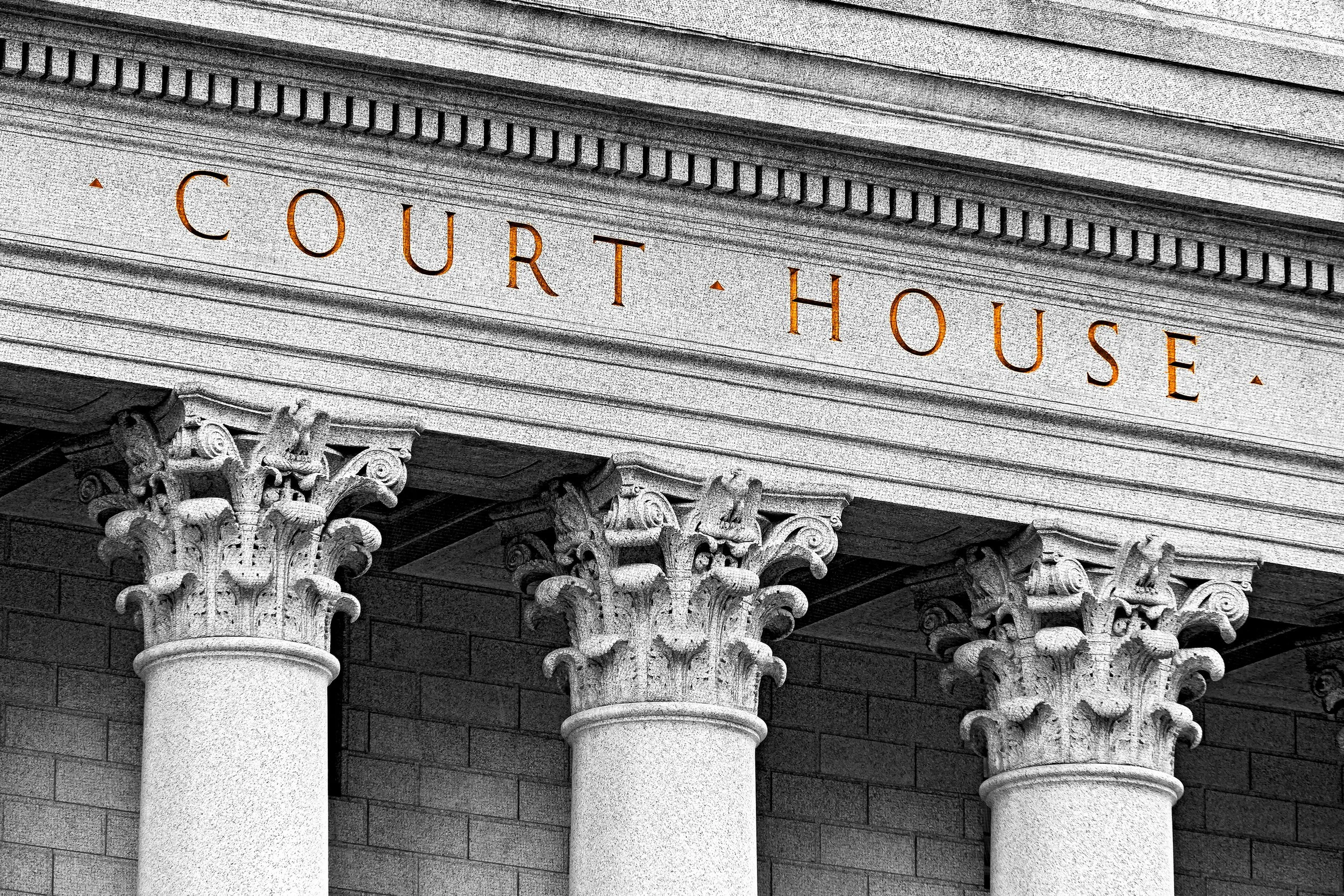
Laws are written in public. They are debated, amended, and passed in full view. What happens next is quieter. It happens in courtrooms, agency offices, and administrative hearings where the meaning of those laws is decided.
This is where interpretation becomes power.
In North Carolina, as in every state, statutes are rarely self-executing. They rely on agencies to define standards, write rules, and decide how broadly or narrowly requirements will apply. A single phrase can expand authority or constrain it, depending on how it is read.
Agencies work under mandates from the legislature, but those mandates are often general. They leave room for professional judgment and administrative discretion. Over time, patterns of interpretation form. These patterns shape how policy is experienced long after the original debate has ended.
Courts sit alongside this process. When disputes arise, judges determine whether an agency’s interpretation is reasonable, whether a rule exceeds statutory authority, or whether a law itself conflicts with higher legal standards. These decisions do not always attract attention, but they can redirect entire policy areas.
This dynamic can be frustrating to watch. Voters hear promises. Legislatures pass bills. Then progress seems to stall or change shape. From the outside, it can feel like government is resisting itself.
In reality, the system is doing what it was designed to do. Interpretation acts as a stabilizer. It slows sudden shifts. It tests new rules against existing structures. It forces justification rather than assumption.
The downside is distance. Interpretation happens far from campaign stages and press conferences. It requires technical knowledge and patience to follow. As a result, much of the state’s governing work remains invisible to the public.
Understanding this quiet power changes how political responsibility is assigned. Outcomes are not shaped by one branch alone. They emerge from interaction. Agencies interpret. Courts review. Legislatures respond. Each step matters.
In North Carolina, interpretation is not a footnote to governance. It is one of the main ways governance actually happens. Once that is understood, the system looks less chaotic and more deliberate, even when disagreement remains.